

You’ve decided it’s finally time. You’re ready to tackle the home remodeling project your family has been dreaming of.
Maybe it’s a small kitchen, an outdated bathroom, a layout that doesn’t fit the way you live anymore. Or maybe you’re ready to tackle a whole house remodel and create a home that feels like it was designed specifically for you.
Whatever your renovation dreams, you’re probably wondering, “Where do I start?” The answer might surprise you.
It’s not demolition, it’s not picking up a hammer, and it’s definitely not choosing just any contractor that can start tomorrow. Every successful home renovation begins with the planning phase.
When a remodel is rushed, mistakes are bound to happen. And it turns out, the most expensive remodeling mistakes often happen before construction actually begins.
How can mistakes happen before construction has even started?
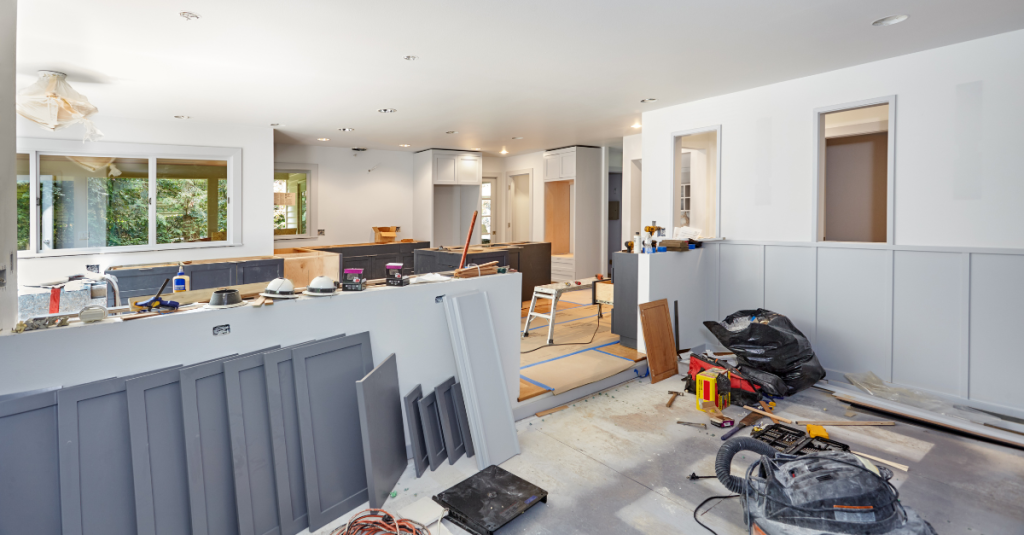
When imagining the possible risks of remodeling, homeowners often picture something going wrong during construction, like unexpected plumbing issues or hidden electrical problems lurking behind the drywall.
And while those things can happen, especially in older homes, many costly changes are much less dramatic.
You change your mind about the tile. The cabinet color you originally selected is no longer available. The chosen light fixtures don’t work with the electrical plan. You realize the bathroom vanity you ordered is too large. Or you decide halfway through construction that you actually want heated floors.
Each individual change order may seem small. But they can quickly add up financially through additional materials, labor, design revisions, delays, and project management.
That’s why a thoughtful selection process is one of the most important steps in planning a home remodel - and it happens before construction ever begins.
The selection phase: your secret weapon against change orders.
Think about every element that goes into a remodel.
- Cabinetry
- Countertops
- Flooring
- Tile
- Plumbing fixtures
- Light fixtures
- Hardware
- Paint colors
- Doors
- Trim
- Appliances
Even seemingly minor details like cabinet pulls or shower niches can affect the final design and installation.
If those decisions are still being made during the building phase, you’re essentially making important financial decisions under pressure. And that’s where costs can creep up.
A thoughtful selection phase gives you time to make those decisions before construction begins, when changes are easier and less expensive to manage.
So where to begin? With the big picture.
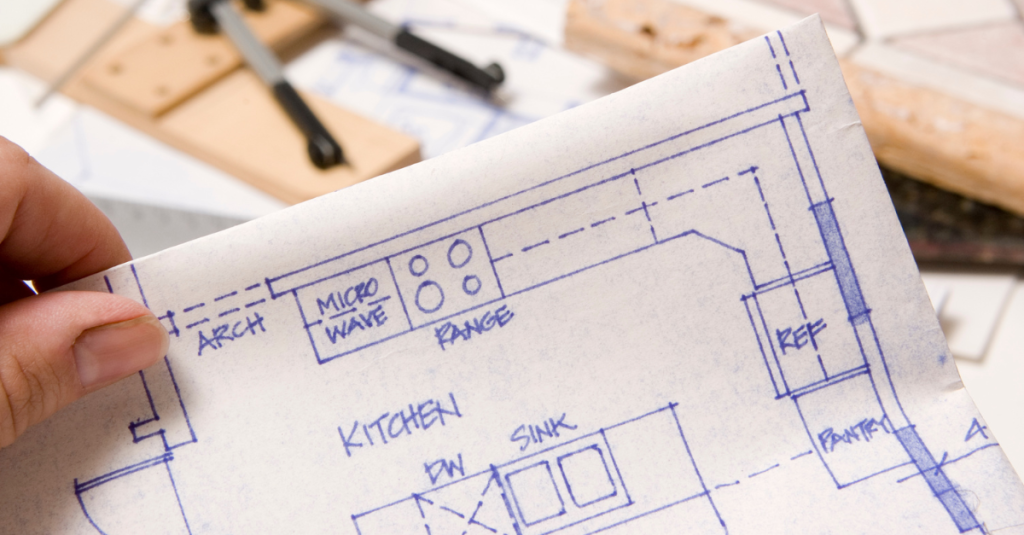
Before you start choosing individual finishes, first you’ll need to define what you want your remodel to accomplish.
Ask yourself:
- What isn't working about my home right now?
- How do I want to use the space?
- What do I wish I had more of?
- What do I want to change about the way my home feels?
- Are there problems I want to solve for the next five, ten, or twenty years?
This process is particularly important for larger projects. Why? Because one decision can affect another.
Avoid the domino effect.
When planning a remodel, it's important to make your design decisions together rather than treating each room as a separate project.
The flooring you choose for the kitchen may need to transition into the hallway. Cabinet hardware should work with the bathroom fixtures. Lighting plans need to account for ceiling changes.
Paint colors, trim, doors, countertops, and other finishes all need to work together, not just aesthetically, but from a construction standpoint.
When those decisions are made independently or left until construction is already underway, you're more likely to run into changes. And that's where change orders can start to pile up.
Cohesive interior design isn't just about creating a home that looks pulled together. It's about making the important decisions early enough that your design, selections, budget, and construction plan all work together.
The goal is simple: make the decisions before construction has to change.
A simplified version looks something like this:
- Define your goals- Determine what isn't working and what you want your remodel to accomplish.
- Evaluate your home- Understand the existing structure, systems, layout, and potential limitations.
- Establish your budget- Determine what you're comfortable investing and what your project realistically requires.
- Develop the design- Create a plan that addresses both the functional and aesthetic goals of the project.
- Make your selections- Choose the materials, fixtures, finishes, appliances, and other details that will make the design real.
- Finalize the scope and contract- With the major decisions established, your team can develop a much clearer picture of what the project will require.
- Begin construction- Now the work can begin with significantly fewer unknowns.
This process may take more time upfront, but that time can save you from making rushed decisions down the road.
Instead of saying, “We’ll figure that out later,” the goal is to say, “We already know what we’re building.”
The real cost of “We’ll decide that later”.
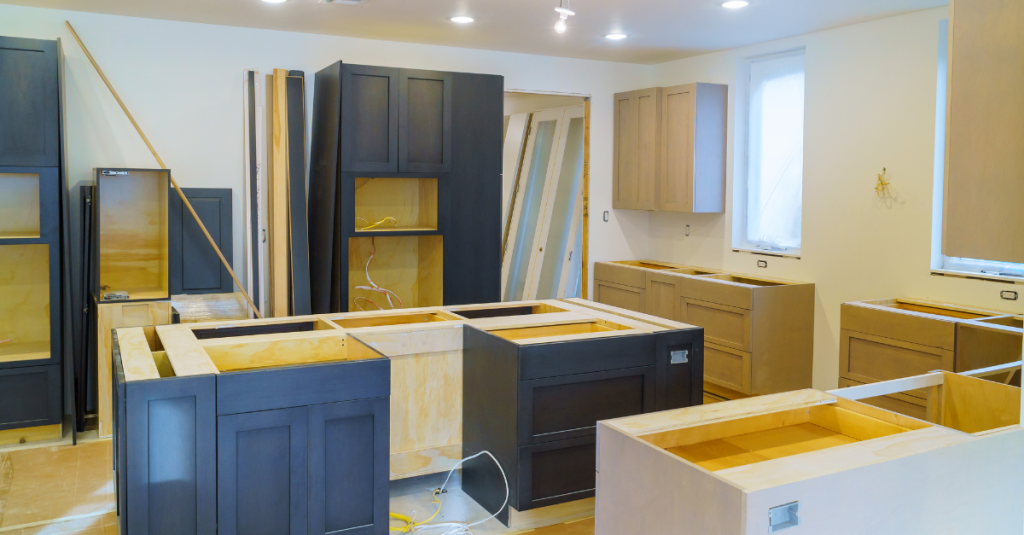
A commonly heard phrase in home remodeling is: “We'll decide that later.”
Sometimes, that's perfectly reasonable, but when too many decisions get pushed into construction, you can create a contracting chain reaction.
A material change can require a design change; a design change can require additional labor; additional labor can affect the schedule; a schedule change can affect other trades.
And suddenly, what started as a small decision has become a much larger project adjustment.
This is why getting selections finalized early can help reduce what we call “surprise” mid-project costs.
Industry estimates vary depending on the project and how change orders are defined, but homeowners who make comprehensive selections before the contract can significantly reduce the risk of these kinds of mid-project changes.
The exact savings will depend on the scope of your renovation, but the principle is simple:
The more you decide before construction, the fewer decisions you're forced to make under pressure.
Give your budget something to work with.
A remodeling budget is much easier to manage when you know what you're actually buying.
It's one thing to say, “We have $150,000 to spend on the kitchen.” It's another to know that budget needs to cover the cabinetry you selected, the specific appliances you want, the countertop material, the flooring, the lighting, the plumbing fixtures, and the work required to install everything.
This is precisely why the selection phase and home renovation budget planning need to go hand in hand.
When your major selections are made early, your remodeling team has real information to work with. Instead of estimating based on allowances or assumptions, they can build a more accurate picture of what your project will cost.
Your budget can then account for:
- The actual materials and finishes you've chosen
- Labor and installation requirements
- Plumbing, electrical, and HVAC work
- Structural or behind-the-walls work
- Design and permitting
- Project management
- A reasonable contingency for unexpected conditions
This doesn't mean every dollar of the project can be predicted before construction begins. Older homes can always reveal surprises once walls are opened.
But there's a big difference between an unexpected condition and an expected decision that was never made.
The first is sometimes unavoidable; the second is often preventable.
That distinction is one of the biggest reasons to invest time in planning before construction starts. When the scope, selections, and budget are aligned from the beginning, you can move into construction with a much clearer understanding of what you're getting, and far fewer opportunities for costly changes along the way.
How to build a remodeling budget that actually works.
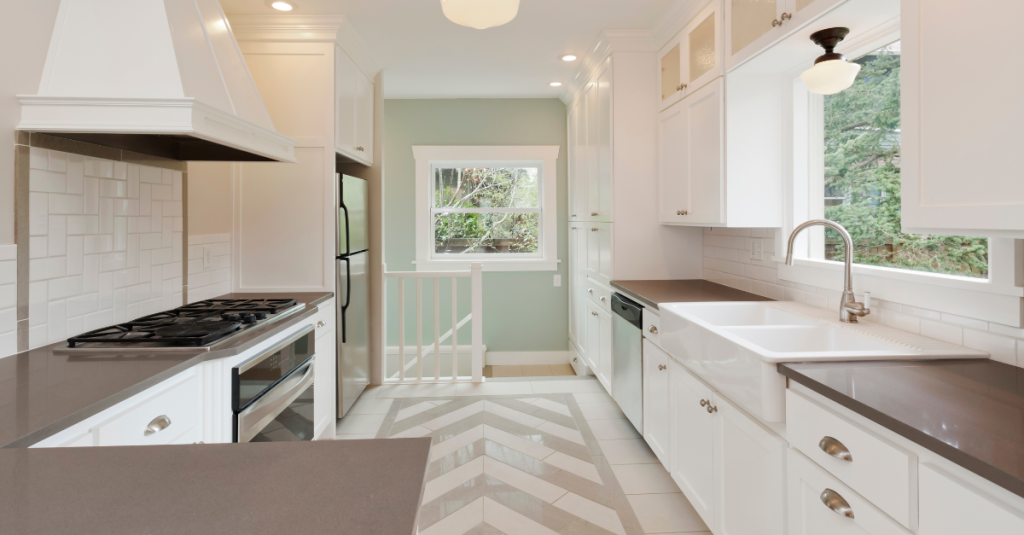
Of course, selections aren't the only part of home renovation budget planning.
Your budget should account for the entire project, not just the finishes you see in the showroom.
Depending on the scope, that can include:
- Design and architectural services
- Permits and approvals
- Demolition
- Structural work
- Plumbing
- Electrical
- HVAC
- Insulation
- Windows and doors
- Cabinets and countertops
- Flooring
- Tile
- Fixtures
- Appliances
- Painting and finishing
- Labor and project management
- Contingency for unexpected conditions
This is another advantage of working through a design-build process.
Your design and construction team can evaluate the project together rather than designing something first and figuring out how to build it afterward.
The goal isn't simply to create a beautiful design; it's to create a beautiful design that makes sense for your home and your budget.
Don't forget about the “invisible” decisions.
When planning a renovation, it's easy to focus on the things you'll see every day, like countertops, tile, cabinets or flooring
But some of the most important decisions are hidden behind the walls.
- Will the existing electrical system support your new kitchen?
- Does the HVAC system have enough capacity?
- Do plumbing lines need to move?
- Will insulation need to be upgraded?
- Are there structural changes required?
- Does the existing framing create limitations?
While these aren't glamorous decisions, they are critical to the success of your project.
A good remodeling team looks beyond the finishes to understand what your home needs underneath them.
How design-build helps prevent costly mistakes
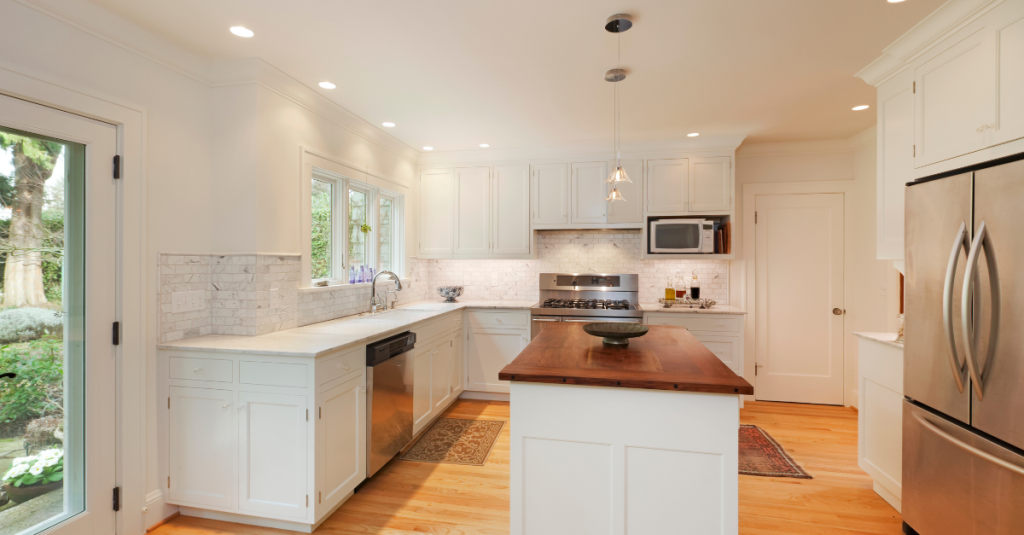
This is where an integrated design-build process can make a significant difference.
Instead of separating your designer and contractor into completely different processes, design-build brings those perspectives together from the very beginning.
Your builder understands how the design will actually be constructed.
Your designer understands how the construction realities affect the design.
And you have one team helping coordinate the decisions.
That creates a much clearer path from: “Here's what I want my home to look like.”
to “Here's how we're actually going to build it.”
How can I avoid going over my remodeling budget?
Start with a realistic budget and make as many decisions as possible before construction begins.
Avoid designing beyond what you're comfortable spending, and make sure your budget accounts for both visible finishes and behind-the-scenes work.
Most importantly, understand what is included in your scope before construction begins.
How far in advance should I plan a remodel?
There's no universal timeline because every project is different. A small bathroom renovation may require considerably less planning than a whole house remodel.
However, the more complex the project, the more valuable early planning becomes.
Design, permitting, material availability, selections, and construction scheduling all take time. Starting early gives you more room to make thoughtful decisions instead of rushed ones.
Ready to start planning?
A remodel should feel exciting, not like you're constantly waiting for the next unexpected invoice.
That's why how to plan a home remodel isn't just a question of creating a beautiful design. It's about creating clarity before construction starts.
At Robert Way Construction, we know that the more thoroughly you plan, the more confidently you can move forward.
And our team is here to help you understand your goals, develop a thoughtful design, establish realistic expectations, and work through the details before construction begins.
Schedule a call with our team today. Your home should work for the life you're living now and where you're headed next.

