

You’ve gathered inspiration, you’ve set a budget, and you’re ready to transform your house into the forever home of your dreams.
Now comes the most important decision of all: how to choose a contractor for renovations.
On the surface, the process seems simple:
- Browse contractor review sites.
- Ask friends for contractor referrals.
- Compile a list of promising candidates.
- Compare their online portfolios.
- Find your perfect contractor match!
That’s a good start, but in 2026, it’s just not enough. Homeowners today may be shocked to learn that a beautiful portfolio alone doesn’t guarantee a smooth project.
Choosing the right contractor for remodeling means looking beyond photos and reviews and evaluating how a company actually runs its business.
How has vetting contractors changed in 2026?
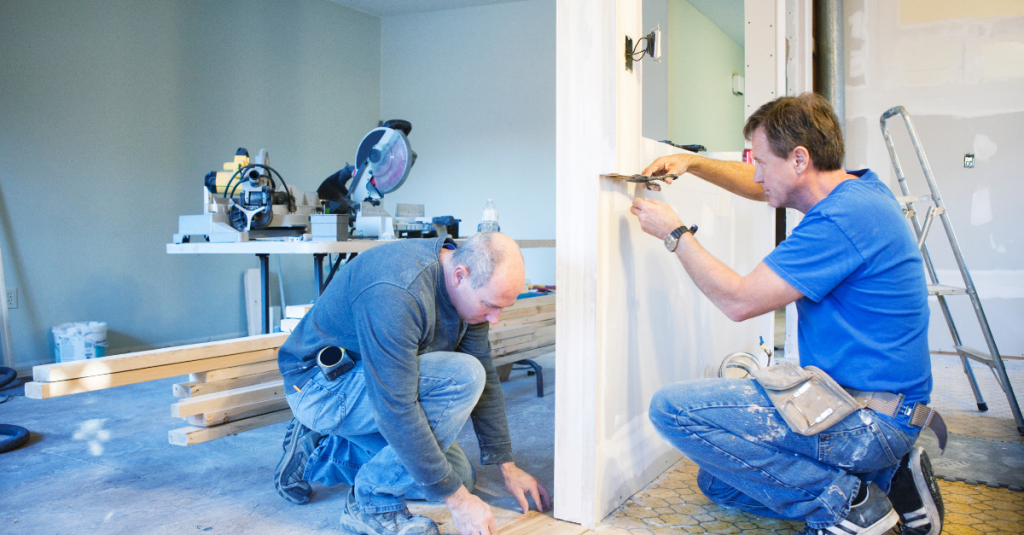
As with everything in life, time marches on, and change is inevitable. The world of construction is certainly no exception. When planning your dream home project, you’ll need to learn what to know before hiring a contractor in 2026.
Construction has become more complex due to…
- Fluctuating supply chains
- Longer timelines for permits
- Material costs can shift quickly
- Projects require tighter coordination
That means contractors need:
- Reliable vendor relationships
- Clear communication processes
- Real-time project tracking
In other words, you're not just hiring a contractor. You're selecting a partner to manage a complex, multi-month process inside your private space.
Step One: Go Beyond Review Sites
When searching for contractors, many homeowners rely heavily on online sources. They may turn to Google, third-party platforms, and even social media to pore over customer reviews.
While these tools are helpful, they won’t show you the whole picture.
That’s because reviews only tell you what’s happened in the past. They won’t give you any insight into how a company is operating right now.
A contractor could have great reviews and still be:
- Overbooked
- Understaffed
- Financially strained
- Disorganized behind the scenes
That's why reviews alone aren't enough. You have to look more closely at how a contractor actually operates before you hand them the keys to your home.
Step Two: Dig Deeper

If you're serious about finding the right contractor, the next step is a real conversation. Not a form submission or an email thread. An actual call or meeting where you can ask questions and pay attention to how they respond.
A few things worth asking:
- How many projects are you running right now?
- Who will be on site day to day?
- How do you handle changes or surprises mid-project?
- Can I talk to someone whose project was similar to mine?
The answers matter, but so does how they answer. A contractor who communicates well before the project starts will communicate well during it. That's what you're actually evaluating.
Step Three: Evaluate Their Communication Systems
If you've ever heard someone say, "We never knew what was going on during our remodel," you've seen what happens when communication breaks down. It's one of the most common complaints homeowners have, and it's completely avoidable.
Before you hire anyone, ask how they keep clients informed throughout a project. What does a typical update look like? How often will you hear from them? Who do you call if something comes up?
A contractor who has a clear, consistent answer to those questions is a contractor who's been doing this long enough to know it matters. One who fumbles the answer probably will during the project, too.
Step Four: Ask Better Questions
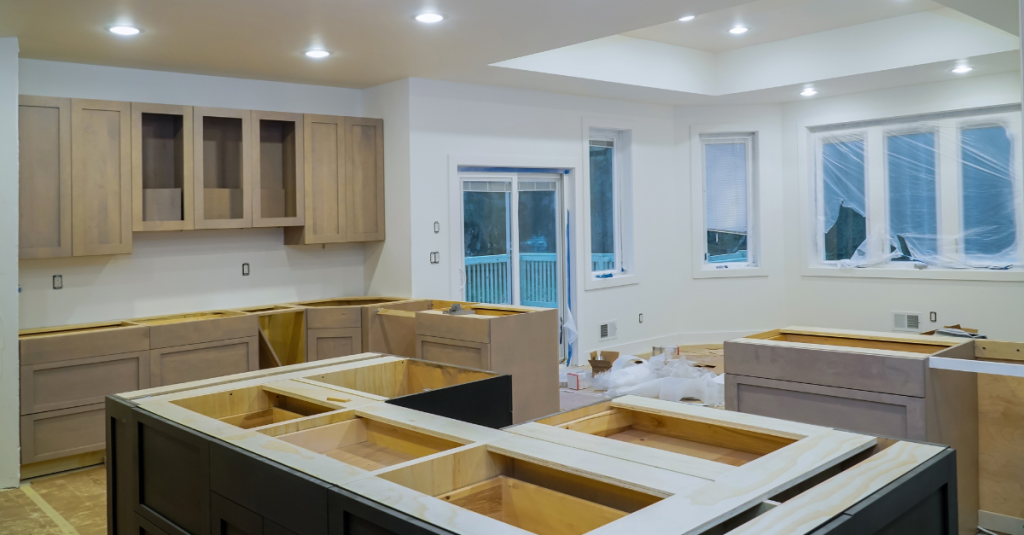
When thinking about what to ask a contractor before hiring, basic timeline and pricing questions are a no-brainer. But, if you’re unsure of what to ask next, here’s a cheat sheet to point you in the right direction:
1) Operational Questions
- How do you manage project schedules?
- What happens if there’s a delay?
- How do you communicate updates?
- Who is my main point of contact?
2) Process Questions
- How do you handle change orders?
- What systems do you use to track progress?
- How often will I receive updates?
These are the types of questions that reveal how a company actually functions beyond the visual results.
Step Five: Understand The Entire Process
When choosing a local contractor, homeowners’ first instincts are often to focus on finished projects.
But the real question is, how do they get there?
A strong contractor should be able to clearly explain exactly how your project moves from idea to completion, not just show you photos of finished work. A clear communication process is one of the signs of a professional, organized remodeling company.
Their Design-Build or Construction Process

A well-run contractor should walk you through each phase of the project, including:
- Initial consultation and goal-setting
- Feasibility assessments and budgeting
- Design development and material selections
- Permitting and approvals
- Construction scheduling and project management
- Final walkthrough and punch-list completion
You should leave the conversation with an understanding of what happens first, what decisions you’ll need to make along the way, and who is responsible for each step.
How They Handle Permits and Approvals
Permitting can be one of the most frustrating parts of remodeling, especially in Massachusetts, where regulations vary significantly from town to town.
An experienced contractor should explain:
- Which permits your project requires
- Whether engineering or architectural drawings are needed
- Who submits paperwork and schedules inspections
- How they navigate delays or revision requests from municipalities
A contractor who regularly works in your area often understands the local approval process far better than an out-of-town company.
How They Coordinate Trades
Most remodeling projects involve multiple specialists working together, including:
- Electricians
- Plumbers
- HVAC technicians
- Carpenters
- Painters
- Tile installers
A strong contractor should have a clear system for sequencing these trades so the project moves efficiently. Poor coordination is one of the biggest reasons projects fall behind schedule.
How They Manage Timelines and Budgets
No homeowner wants surprises halfway through a remodel. A professional contractor should explain:
- How project schedules are created and updated
- How delays are communicated
- How change orders affect pricing and timelines
- What systems they use to track costs and progress
Transparency is key here. If the process feels vague, the project likely will be too.
Step Six: Don’t Stop at Referrals
Contractor referrals are incredibly valuable, but they do come with limitations.
Use referrals as a starting point, not the final decision maker. You owe it to yourself and your family to exercise your own due diligence when vetting a contractor to work in your home.
A Modern Hiring a Contractor Checklist
This can feel like a lot of information, but don't get overwhelmed. To summarize, here's what to look for in a contractor:
Foundational
- Strong portfolio
- Positive reviews
- Relevant project experience
- Deep roots in the community
Operational
- Clear communication process
- Defined process and workflow
Strategic
- Transparency in pricing and timelines
- Ability to adapt to challenges
- Alignment with your goals and lifestyle
This is how you move from simply finding a contractor to choosing the right one for your home.
The Right Contractor Builds More Than a Space
Remodeling your home is an exercise in trust. Not just trusting someone to work inside your family's home, but trusting them to be straight with you about your time and your budget.
That's why knowing what to look for goes far beyond craftsmanship.
At Robert Way Construction, we believe homeowners deserve clear communication, thoughtful planning, and a process that stays organized from start to finish.
If you're beginning the process of hiring a contractor, we're happy to walk you through how we work and what's possible for your home.
Schedule a conversation with our team today.

