Top Aging in Place Home Modifications to Improve Accessibility
As Dorothy once said, “There’s no place like home”. But as we age, it can seem daunting to continue living in a house that wasn’t built with seniors in mind. Without strategic home modifications for safely aging in place, everyday tasks can become challenging.
Luckily, your aging-in-place dream home is more than a fantasy. You can design a home that prioritizes immediate needs while also planning for the future. Read on for a list of home modifications that will help you or your loved ones age safely and comfortably at home.
Adjust Your Entryways
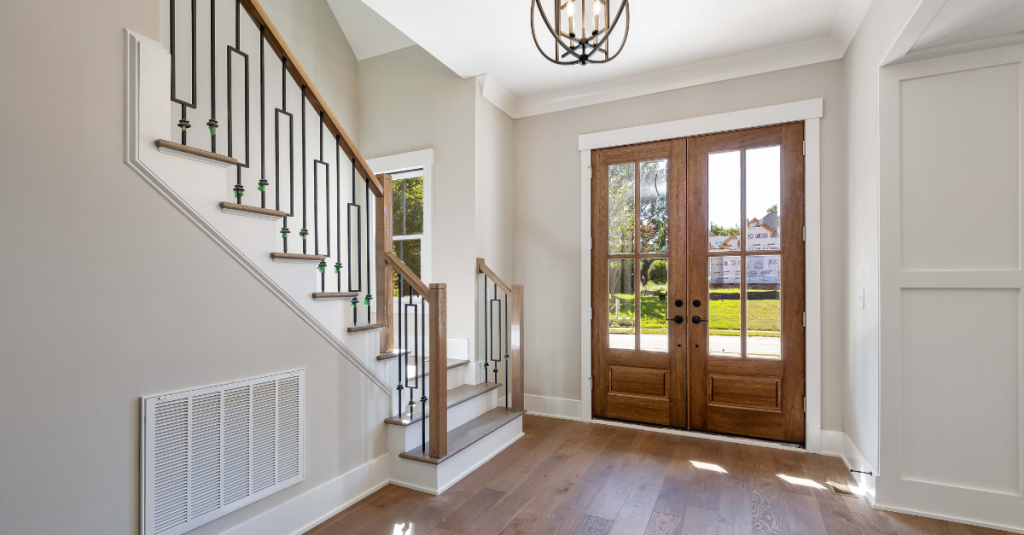
Improving your entry points is one of the most effective aging-in-place home modifications, helping you reduce fall risks and make your home easier to navigate every day.
1. Install Smart Lighting & Security
Add motion-sensor lights near entryways to boost visibility and security. A video doorbell is another simple upgrade that provides added peace of mind.
2. Lower or Level Your Thresholds
Reduce thresholds to ½” or eliminate them entirely to minimize tripping hazards. A ramped threshold pad creates a smooth, safe transition.
3. Switch to Lever-Style Handles
Replace round doorknobs with lever handles for easier gripping and turning—especially helpful for those with arthritis or limited hand strength.
4. Add a Landing Bench
A small bench near the door makes it easier to remove shoes, set down bags, or steady yourself as you enter and exit the home.
Together, these adjustments create a welcoming entry that’s safer, more comfortable, and designed to meet your needs over time.
Modify Your Floor Plan
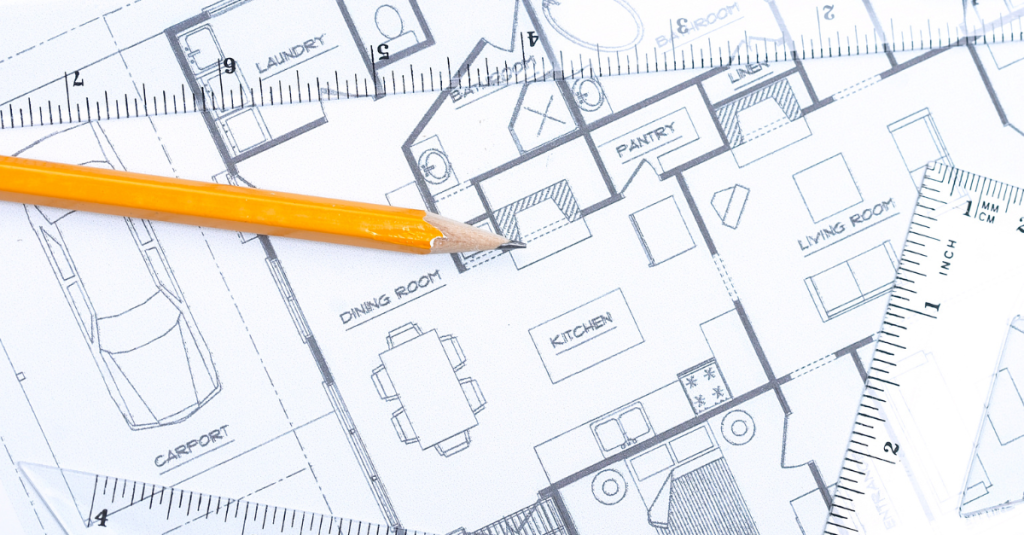
Traditional layouts aren’t always designed with accessibility in mind. Tight hallways, narrow doorways, and multiple levels can make daily movement more difficult as mobility needs change.
These aging-in-place home modifications can help your home work better for you now and in the future.
1. Create a First-Floor Living Space
If possible, add or convert a room into a first-floor primary suite. Even if stairs aren’t an issue today, having essential living spaces on one level provides long-term comfort and security should mobility needs shift.
2. Open Up Your Layout
Removing non-structural walls can increase visibility, improve mobility, and create an easier flow between high-use areas. A more open plan also makes supervision and safety simpler when caring for a loved one.
3. Widen Doorways and Hallways
Expanding doorways to at least 36″ improves accessibility for walkers, wheelchairs, and anyone who needs more space to move comfortably from room to room.
These updates make your home easier to navigate while ensuring it remains comfortable and accessible for years to come.
Safeguard Your Stairs
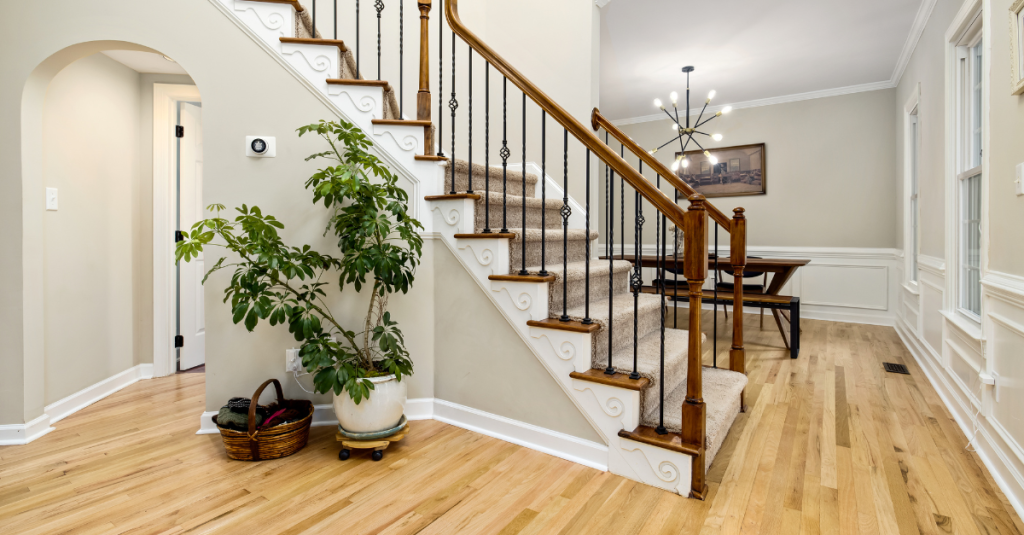
As mobility, balance, or vision changes, stairs can quickly become one of the biggest fall risks in the home. These aging-in-place modifications make stairways significantly safer and easier to navigate.
1. Add Non-Slip Treads or Carpet Runners
Wood and other smooth surfaces can be slippery. A carpet runner or non-slip treads adds traction and reduces the risk of slips and falls.
2. Install Handrails on Both Sides
Dual handrails provide better stability than a single railing. Make sure they extend beyond the top and bottom steps and have no gaps along the way.
3. Improve Stairway Lighting
Place light switches at both the top and bottom of the stairs, and ensure the entire staircase is well-lit to support safe navigation.
4. Consider Lift or Elevator Solutions
If navigating stairs becomes too difficult, a stairlift—or, in some cases, a home elevator—can offer a safe and reliable way to move between levels.
These updates make your stairways safer and help you maintain independence throughout your home.
Maximize Your Space
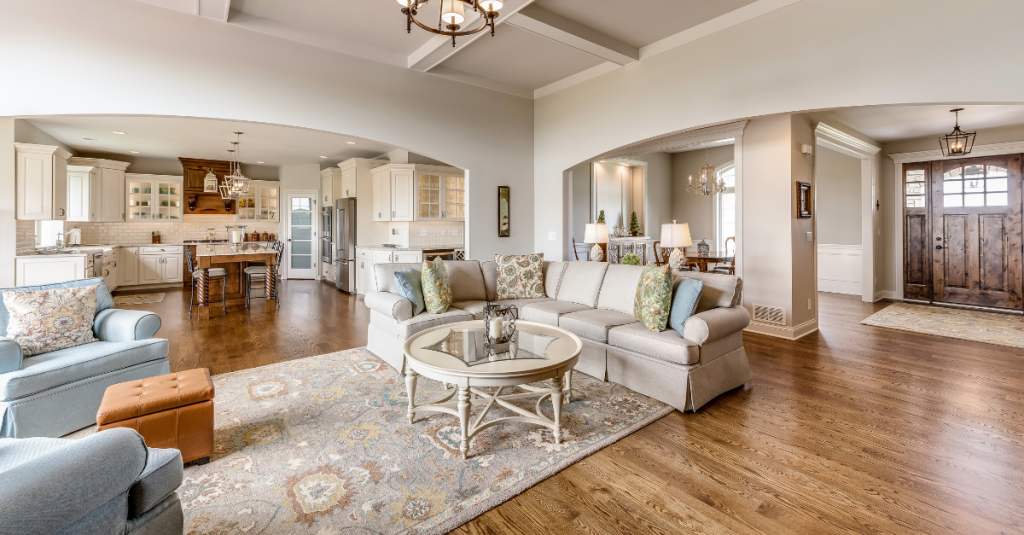
Even without major construction, thoughtful adjustments can make your home significantly safer, easier to navigate, and more comfortable as you age.
1. Simplify and Declutter Your Home
Reducing clutter creates wider, safer pathways and lowers the risk of trips and falls. It can also be a meaningful activity to share with loved ones, sorting keepsakes together while removing unnecessary obstacles.
2. Rearrange Furniture for Clear Pathways
Once your space is simplified, reorganize furniture so movement is unobstructed. Clear, predictable pathways make daily navigation safer and more comfortable.
3. Choose Safer, More Accessible Furniture
If your furniture is oversized, sharp-edged, or difficult to maneuver around, consider replacing key pieces. Rounded edges reduce injury risks, and smaller, simpler pieces improve mobility and are often easier to keep clean.
Small changes like these can make a big difference in how safe and accessible your home feels every day.
Fine-Tune Your Bathroom
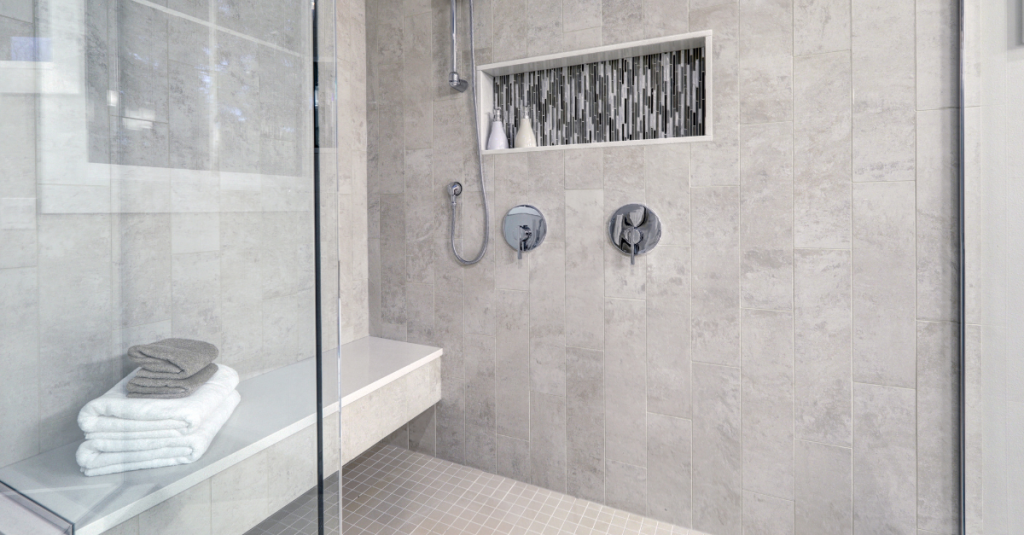
With no shortage of slippery surfaces, bathrooms are one of the most common areas for slips and falls. With a few tweaks, your bathroom can once again be a place of relaxation rather than a source of added stress.
1. Replace Tubs with Walk-In Showers
A zero-entry shower is ideal, but even a low threshold of ½” or less improves safety. Removing the step-in tub dramatically reduces fall risks.
2. Install Grab Bars for Support
Place grab bars in and around the shower to help with balance when entering and exiting. Adding a grab bar near the toilet provides extra stability and support where it’s most needed.
3. Add a Shower Seat
Built-in or freestanding shower seats allow for safer bathing and reduce physical strain. A portable option can be a more budget-friendly choice.
4. Use a Hand-Held Shower Head
Choose a handheld showerhead with a long hose for greater control and flexibility. This makes bathing easier, whether seated or standing.
5. Adjust Sink and Toilet Heights
Raising the sink height to 34–36″ (up to 42″ for taller individuals) improves accessibility. A higher toilet seat that supports a natural 90-degree sitting angle makes standing and sitting much easier.
These simple improvements can greatly enhance bathroom accessibility, safety, and independence.
Beef Up Your Kitchen
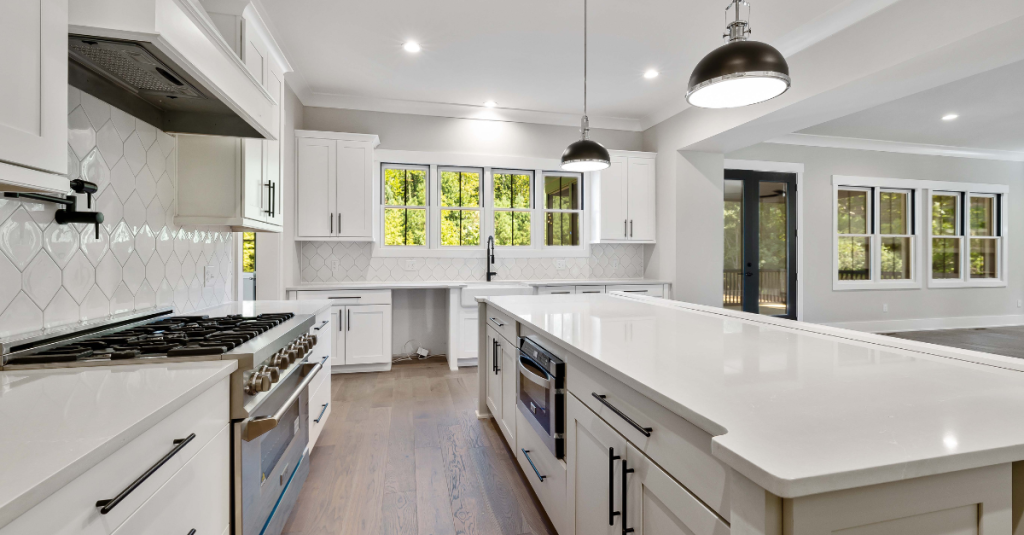
Right up there with bathrooms, kitchens can become a hotbed of inconvenience and safety hazards. Reduce stress on your body and mind with these upgrades.
1. Switch to Accessible Handles and Fixtures
Replace small cabinet knobs with larger lever handles for easier gripping. Lever-style or touchless faucets also reduce strain and improve hygiene.
2. Add Slide-Out Shelves and Organizers
Pull-out shelves, drawers, and lazy Susans make it easier to reach pots, pans, and everyday items without bending or stretching.
3. Keep Essential Appliances Within Easy Reach
Place your most frequently used appliances—like coffee makers, toasters, or microwaves—directly on countertops to avoid lifting or reaching into high or low cabinets.
4. Automate High-Use Appliances
Modern features like self-cleaning ovens, smooth-top ranges, and refrigerators with built-in water and ice dispensers simplify daily routines and reduce physical strain.
5. Choose Safer, Softer Flooring
Swap slick surfaces for cushioned vinyl or another slip-resistant material. If new flooring isn’t an option, place non-slip mats in high-traffic or spill-prone areas.
Ready to Live out your Aging in Place Dreams?
These days, aging in place is the right decision for more and more seniors. From brighter lighting to main floor primary suites, we’re here to help you create a home that supports your evolving needs.
At Robert Way Construction, we help homeowners realize their dream of spending their next chapter in their beloved homes. Whether you’re considering a few modifications or planning a complete accessible home renovation, our team will guide you through every step from design to completion.
Schedule a call today or call us now at (781) 769-1611 to transform your home into a safe, comfortable space to enjoy your golden years.