Kitchen Remodel Cost in Massachusetts: What Homeowners Should Expect in 2026
If you’re thinking about a kitchen remodel, you’ve probably noticed something frustrating: the prices don’t look like they did a year or two ago. Quotes from 2024 may no longer apply, price ranges feel wider, and “average cost” lists don’t tell the whole story.
Kitchen remodel costs have shifted meaningfully since 2024, especially in Massachusetts. Inflation, rising home values, supply chain volatility, and a tighter skilled labor market are all shaping what kitchens cost to design and build today — and why older pricing assumptions often fall short.
Below, we break down why those changes are happening, what they mean for your budget in 2026, and how to plan intelligently. Keep reading to learn how to set your expectations based on inflation and plan a kitchen remodel that’s worth the investment.
Why Kitchen Remodel Costs Look Different Than They Did in 2024

When looking at kitchen remodel costs in Massachusetts for 2026, it’s important to understand the broader forces shaping today’s pricing.
Remodel costs aren’t rising in isolation. They reflect inflation, housing market pressure, global trade policy, and a tightening skilled labor pool across New England.
Housing Prices in New England Are Still Rising
Housing values across New England continue to climb, reinforcing demand for reinvestment in existing homes rather than relocation.
According to U.S. Bureau of Labor Statistics data, housing prices in the Northeast region, which includes Massachusetts, have increased by 4.5% from December 2024 to December 2025. This appreciation changes how homeowners evaluate remodeling decisions and how lenders, insurers, and appraisers assess value.
As home values rise, so do expectations around quality, longevity, and performance. That often translates into higher-grade materials, more complex scopes, and tighter execution standards, all of which affect kitchen remodel cost beyond simple square-foot pricing.
Inflation and Construction Costs Are Rising Too
While inflation has cooled from its historic peaks in 2021 and 2022, construction costs have not returned to pre-pandemic norms.
Outside of unusually high inflation years, non-residential construction costs have historically increased by roughly 3.8% per year since 2011, driven by steady rises in labor, materials, and regulatory requirements.
In 2025, those costs rose above that long-term average, with increases estimated between 4.0% and 4.4%, as inflation intersected with labor shortages and longer permitting timelines.
In New England specifically, the Federal Reserve Beige Book reported continued upward pressure on construction costs due to labor shortages and tariff-related material pricing.
Inflation-Adjusted Budgeting for Kitchen Remodels in 2026
Taken together, inflation, housing appreciation, tariffs, and skilled labor constraints explain why 2024 pricing no longer reflects today’s market reality, especially in Massachusetts. These forces affect not only homeowners but contractors as well.
This is why the most reliable approach to kitchen remodel cost planning in 2026 isn’t chasing outdated price lists. It’s inflation-adjusted budgeting: aligning your investment with current conditions while weighing ROI versus reality.
How Homeowners Can Adjust Budgets Based on Inflation

Inflation-adjusted budgeting is all about planning with today’s conditions — and today’s risks — in mind.
Here’s what that looks like in practice:
1. Re-validate pricing close to decision time.
If a quote is more than 3 months old, assume labor availability, material pricing, or lead times have changed. A refreshed estimate reflects current supplier pricing and trade schedules.
2. Budget in ranges, not fixed numbers.
Instead of anchoring to a single “target price,” plan a working range that allows for material substitutions or labor shifts without compromising the project. This is especially important for cabinetry, appliances, and specialty finishes.
3. Prioritize performance over trend-driven upgrades.
Not every premium finish delivers equal return. Inflation-adjusted budgeting focuses spend on elements that affect daily use, durability, and resale, while treating purely aesthetic upgrades with more flexibility.
4. Ask how risk is being managed.
A reliable contractor should be able to explain how labor is secured, how long pricing is held, and what happens if a product lead time changes. Understanding your kitchen remodel cost and planning appropriately requires predictability.
5. Weigh ROI against reality, not headlines
Rising home values don’t mean every upgrade pays back equally. Inflation-adjusted budgeting helps homeowners decide where higher investment makes sense and where restraint protects overall value.
That distinction becomes especially important when evaluating high-end kitchen finishes in today’s Massachusetts housing market.
ROI vs. Reality: When Premium Kitchen Upgrades Pay Off — and When They Don’t
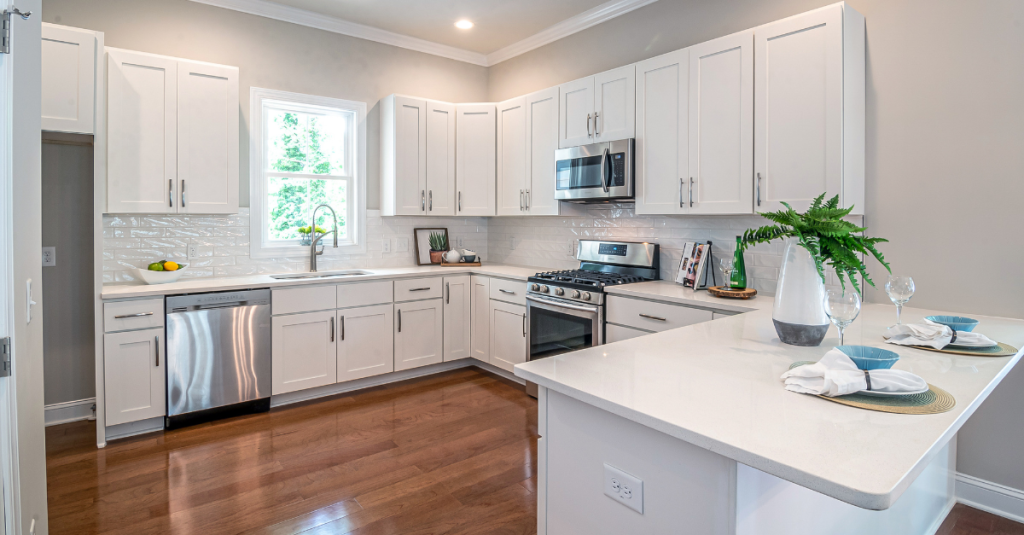
In the current Massachusetts housing market, many high-end finishes cost significantly more to install than they did in 2024, but don’t increase resale value at the same rate.
That creates situations like:
- A premium appliance package that costs 25–30% more than it did two years ago, but doesn’t meaningfully change buyer offers in an already competitive market.
- Custom cabinetry upgrades that improve daily use and craftsmanship, but don’t move appraisal values proportionally once a home is already priced near the top of its neighborhood.
- Imported or boutique finishes that add significant cost due to tariffs and lead times, even though buyers often see them as “nice” rather than “necessary.”
The reality is that some upgrades still feel amazing to live with, but don’t deliver equal financial return, especially when inflation has outpaced housing appreciation.
What is it worth to you?

If you plan to live in your kitchen, not just list your home, value looks different. Investments in layout, storage, workflow, and durability often matter more day to day than what shows up in resale math.
If resale is the priority, focusing on finishes with broad appeal can preserve resale strength without over-investing in features that won’t be fully used.
In today’s market, the smartest kitchen remodel decisions balance daily function with financial reality. Invest where the kitchen improves everyday life and pull back where costs have outpaced meaningful return.
Now that you understand how kitchen remodel costs have changed and how to budget for today’s market, the next step is choosing a partner whose process keeps those costs controlled and predictable.
The Right Planning Makes All the Difference in a Kitchen Remodel
Unexpected expenses rarely come from the work itself. They come from unclear scope, rushed decisions, late selections, or discovering conflicts once the project is already underway. That’s why working with a contractor who prioritizes pre-planning is one of the most important safeguards for your budget.
At RWC, pre-planning starts by bringing the right people to the table early. Before construction begins, our team assembles the specialists your kitchen requires — from plumbing to engineering and interior design — and guides you through material selections that align with both your vision and your budget.
Thoughtful preparation keeps decisions clear, communication easy, and the entire project moving in the same direction. It creates a remodeling experience that feels intentional from day one and a kitchen that is well worth the investment.
If you’re thinking about remodeling your kitchen and want to talk through your budget and priorities, we’re here to help. Schedule a call to get started.