

Your home has been the backdrop for decades of memories. It’s where holidays happened, where traditions blossomed, and where your whole life unfolded.
And for many homeowners, the idea of leaving that beloved home as they get older is out of the question. But how can your family home be modified to work better for your next stage of life?
This question has led more and more families to explore the idea of smart home upgrades for seniors.
But here’s where many people get stuck: They picture complicated apps, confusing controls, and technology that feels more frustrating than helpful.
In reality, the best modern smart homes work almost invisibly. That means no constant tapping, no complicated learning curve, and little to no daily interaction required.
In 2026, the most valuable technology for seniors is passive technology: systems quietly working in the background to improve comfort, safety, and peace of mind.
So how can thoughtful smart home remodeling help you or your loved ones age in place more safely, without turning your family’s home into something that feels overly technical or difficult to manage?
What is a Smart Home?
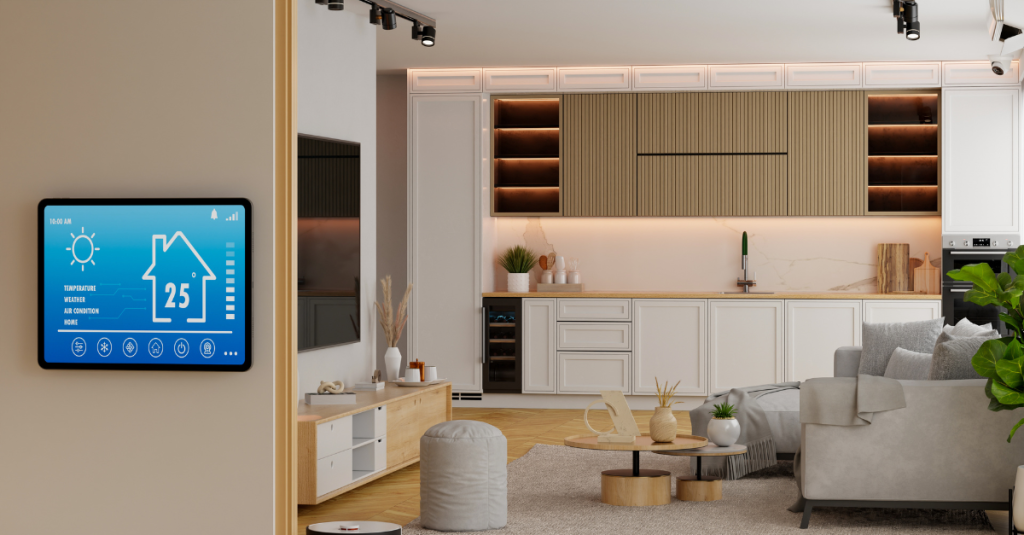
When people picture a smart home, images of futuristic gadgets or voice-controlled everything can spring to mind.
But at its core, a smart home simply uses connected technology to automate or improve basic everyday functions inside the house.
These can include:
- Automated lighting systems
- Smart thermostats
- Water leak sensors
- Comprehensive security systems
- Smart appliances
Whether it's a water leak, smoke alarm activation, unexpected temperature changes, or unusual activity patterns, systems that can automatically notify homeowners or family members when something requires attention are invaluable tools when it comes to elderly care technology.
No need to worry about learning “new tricks”.
Updating your home’s technology can seem overwhelming and even intimidating, especially for seniors. Fortunately, many modern smart home systems today no longer require constant user interaction.
Rather than asking homeowners to learn a bunch of new technology, today's best smart home devices for seniors are designed to remove tasks altogether. The goal isn't to create a home filled with gadgets. It's to create a home that uses what’s called passive technology to anticipate needs, enhance safety, and support independence.
Why Passive Technology Matters for Seniors

Passive technology is especially important in a smart home for seniors who want to remain independent without adding complexity to their daily routine.
It’s the key to providing home automation systems that not only don't create more work but, in fact, reduce it by:
- Feeling intuitive
- Working automatically
- Not requiring troubleshooting
- Supporting independence without being intrusive
The best systems for an aging in place smart home protect the home and simplify everyday life while working quietly in the background.
What are the top smart home solutions?
While there are more and more smart home features popping up all the time, here’s a sampling of essential upgrades for aging in place.
1. Leak Sensors: small devices that prevent big problems
One of the smartest upgrades in any aging-in-place smart home setup is also one of the simplest.
These small devices are typically installed:
- Under sinks
- Behind washing machines
- Near water heaters
- Around dishwashers
If moisture is detected, the homeowner immediately receives an alert. Some advanced systems can even automatically shut off the home’s water supply to prevent flooding.
Adding leak sensors to your home:
- Prevents unnoticed leaks
- Reduces risk of water damage
- Helps avoid mold and structural issues
- Provides peace of mind for your family members
Plus, many insurance companies now offer reduced premiums for homes equipped with leak monitoring systems.
2. Voice-Activated Lighting: Safety without switches
One of the biggest safety concerns for older adults is falls. That’s why smart lighting solutions are one of the most practical smart home devices for seniors.
While motion sensors are a great tool for light fixtures, voice- activated devices are rising in popularity. Instead of navigating dark hallways or reaching for switches, homeowners can issue simple commands like:
- “Turn on the kitchen lights.”
- “Dim the bedroom lights.”
- “Turn off downstairs lights.”
For many seniors, this technology becomes less about convenience and more about safety and confidence. And most importantly, they require almost no technical knowledge once installed.
3. Smart Thermostats: comfort that adjusts automatically
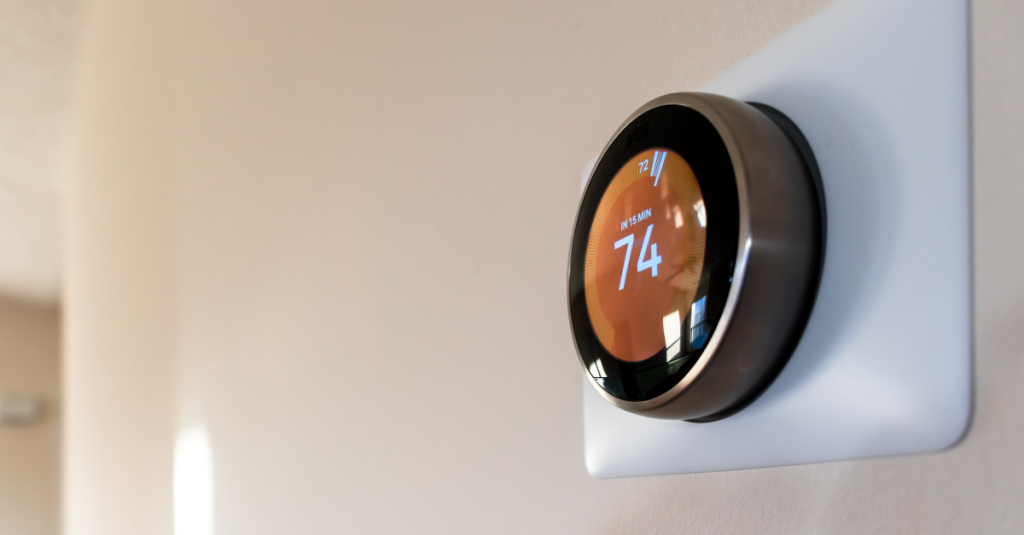
Temperature regulation becomes increasingly important as we age. This is where smart thermostats come in, taking the work and worry out of keeping your home at the perfect temperature.
A smart thermostat can:
- Automatically adjust temperatures throughout the day
- Reduce heating and cooling costs
- Monitor indoor comfort levels
- Alert homeowners to HVAC issues
The best part? Most systems” learn” your routines over time!
This type of passive home automation is ideal for seniors because it improves comfort without requiring constant adjustments.
And because smart thermostats improve energy efficiency, they can also contribute to lower utility bills and insurance incentives.
4. Smart Alerts for aging in place
One of the biggest concerns families have is: “How can smart homes assist with aging in place without feeling invasive?” It’s important for our loved ones to be protected, but not at the cost of their feeling of independence.
Smart alerts are an invaluable tool for keeping family members in the loop without infringing on their loved ones’ privacy.
Modern smart alerts for aging in place can include:
- Smoke and carbon monoxide alerts sent to family members
- Notifications if doors are left open
- Water leak alerts
- Motion-activated pathway lighting
- Automated medication reminders
These systems provide subtle familial support while allowing seniors to maintain independence and dignity.
Smart home modifications don’t have to feel clinical.
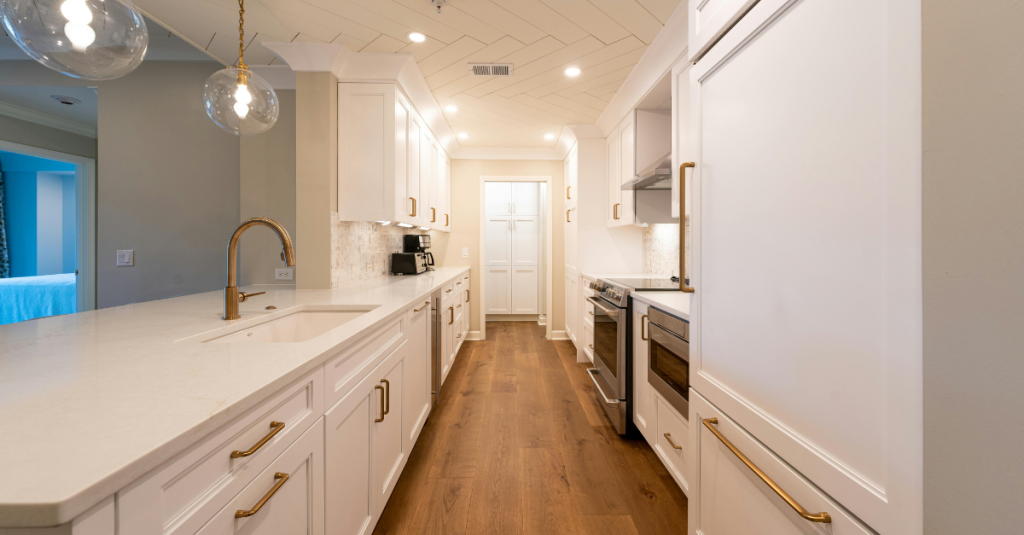
While a smart home sounds great on a practical level, there’s always the fear that all these advancements will rob your home of its character and warmth.
In fact, the best aging in place smart home modifications blend in seamlessly to improve everyday life without making your house feel medical or institutional.
- Motion-sensor lighting hidden within cabinetry
- Smart shades that adjust automatically
- Voice-controlled blinds
- Quiet air quality monitors
- Smart locks with remote access for caregivers or family
These are upgrades that improve comfort and safety while preserving what makes your house a home, and some even add a touch of luxury to your favorite spaces.
Smart homes can lower insurance costs in 2026.
Updating your home with smart features can feel like a smart move, but also a huge investment. The good news is that as technology has advanced over time, insurance companies have adjusted how they evaluate risk.
Homes equipped with smart monitoring systems may now qualify for discounts because they reduce the likelihood of:
- Water damage
- Fire damage
- HVAC failures
- Security incidents
Insurance providers increasingly view passive smart systems as preventative protection.
This means features like leak detectors, smart smoke alarms, automated shutoff valves, and security monitoring can potentially lower your premiums.
Converting to a smart home is a financial commitment, but for many homeowners, these savings help offset the investment over time.
Smart home remodeling is about more than technology.
At the end of the day, when it comes to your comfort and safety while aging in place, technology alone isn’t enough.
Successful smart home remodeling combines:
- Thoughtful layout design
- Accessibility planning
- Safety considerations
- Passive technology integration
Smart features work best when paired with practical updates like wider doorways, curbless showers, slip-resistant flooring, and better storage accessibility.
The goal isn’t simply adding gadgets; it’s creating a home that supports long-term independence.
Ready to step into the future?
At Robert Way Construction, we believe aging in place should feel empowering, not overwhelming. Needs evolve over time, and sometimes the right solution is thoughtfully adapting the home you already love.
If you're exploring aging-in-place options for yourself or a loved one, we’re here to guide you in designing a space that blends comfort, safety, and invisible technology into one cohesive plan.
Schedule a conversation with Robert Way Construction today and start creating a home that supports the way you want to live, now and in the future.

