

Summer is when many Massachusetts homeowners start thinking seriously about adding a sunroom. Longer days, outdoor entertaining, and a desire for more usable living space naturally lead people to look for ways to better connect their homes to the outdoors.
But is a sunroom addition worth it?
The answer depends largely on how the space is designed and how often you realistically plan to use it. A sunroom that feels incredible in July may become uncomfortable and expensive to heat once winter arrives.
That’s why understanding the difference between a 3-season and 4-season sunroom matters so much in Massachusetts. The right design creates a true extension of your home that stays comfortable year-round. The wrong one can leave you with a space that sits unused for months at a time.
What is a sunroom?
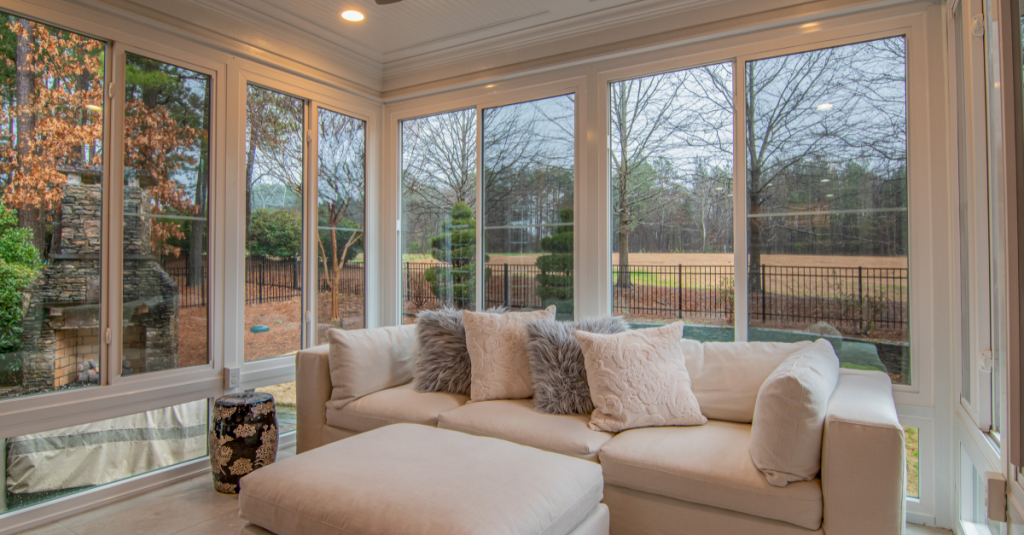
Simply put, a sunroom is a room designed to bridge your indoor living area to your outdoor space. Since the primary purpose of a sunroom is to maximize natural light, it typically features large windows or an entire glass wall.
There are two different categories to consider:
- 3-season sunrooms
- 4-season sunrooms
The difference between the two is about much more than just aesthetics, especially in areas with harsher winter weather. Temperatures drop, winds pick up, and heating demands increase dramatically.
This is what we call the Four-Season Stress Test.
If a sunroom can’t stay comfortable in winter without massive heating costs, it’s not truly usable year-round. So which style is right for your home?
3 Season vs. 4 Season Sunroom
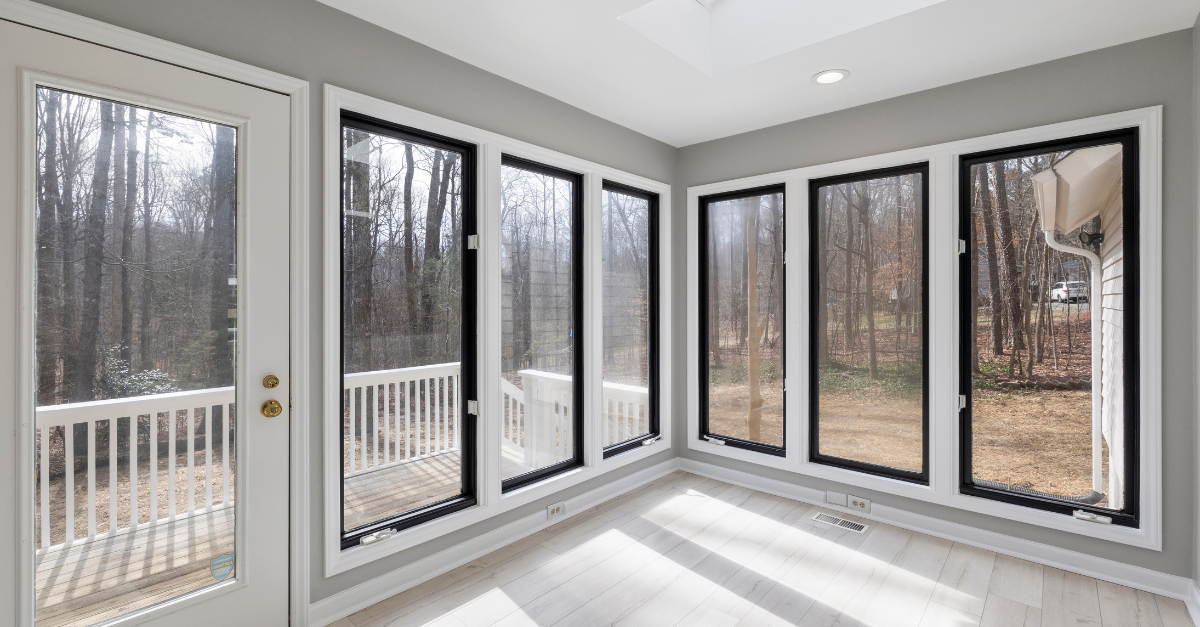
As the name implies, a 3-season sunroom is designed for use only from spring to fall.
Since they aren’t made to be used in super cold conditions, this design typically includes:
- Basic framing
- Standard sunroom windows
- Minimal insulation
- No dedicated HVAC system
3-season sunrooms are often a more budget-friendly option, plus they look just as beautiful as their 4-season counterparts. The downside is that they become totally unusable come wintertime.
Because they lack insulation, the temperature inside mirrors outdoor conditions. Even space heaters struggle to make these rooms comfortable.
Many homeowners who choose this route find themselves avoiding the space for anywhere from 3 to 5 months of the year.
A 4-season sunroom, on the other hand, is built to withstand a New England winter. Designed to be a fully integrated living space, you’ll find features like:
- High-performance sunroom insulation
- Energy-efficient glass systems
- Proper HVAC integration
- Advanced framing with thermal protection
When designing a glass sunroom addition, homeowners focus on details like style, window size, and visibility. However, when making design choices, people tend to overlook the most important factor: R-value.
What is R-value?
In simple terms, R-value measures how well a material resists heat transfer. In a sunroom with a low R-value, winter temperatures can drop well below freezing, both inside and out.
When heat escapes quickly, your personal comfort will steadily decrease, while your energy bills continue to climb.
On the other hand, an insulated sunroom with high R-value walls, floors, and ceilings keeps heat inside where it belongs.
Now, if R-value is the foundation, thermal breaks are the secret weapon.
A thermal break is a barrier that prevents heat from transferring through materials like aluminum framing.
Without them:
- Cold travels through window frames
- Condensation forms
- Energy efficiency drops
While a lower-cost sunroom construction project may save money upfront, heating costs can become excessive in the long run.
Solarium vs. Sunroom
On your way down the sunroom research rabbit hole, solariums may have popped up a time or two. Are they the same as a sunroom? Would this be a better style for you?
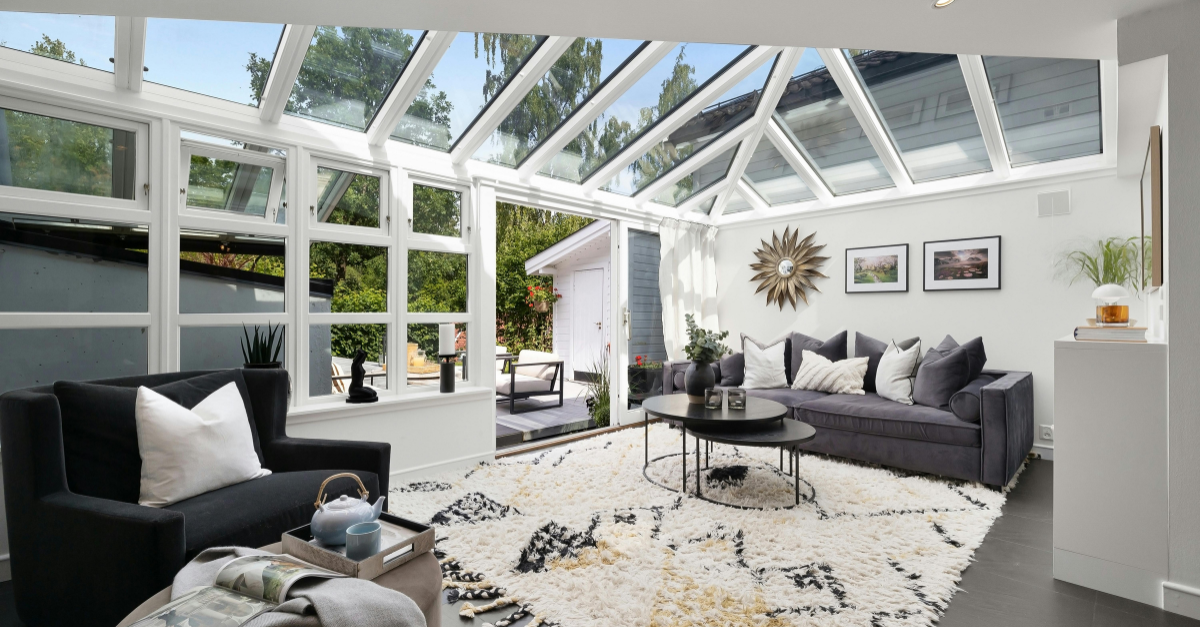
Solariums typically feature both glass walls and a glass ceiling for maximum sunlight exposure.
While they are very beautiful, solariums can be harder to regulate in extreme temperatures due to a lack of insulation.
In areas with colder winters, like Massachusetts, a well-designed sunroom often offers better year-round usability.
Is a Sunroom Addition Worth It?
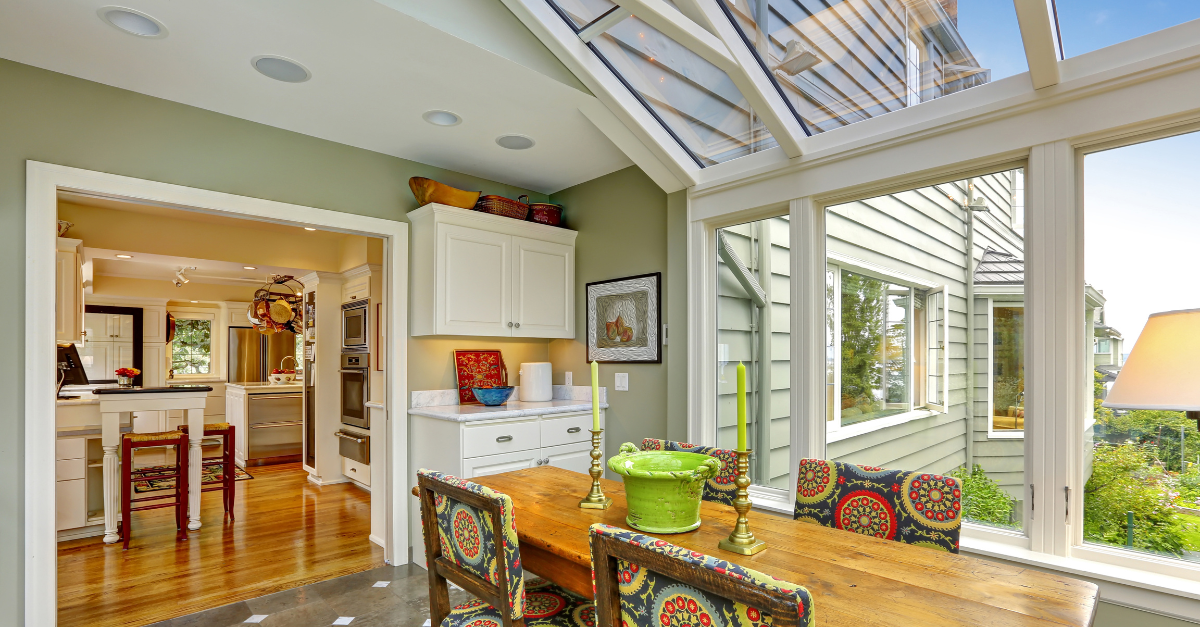
A sunroom is worth it, but only if it’s designed for how you actually plan to use it.
If you want a space you can enjoy year-round, especially through a Massachusetts winter, a 4-season sunroom is the only option that truly delivers long-term value. It functions as a real extension of your home, not just a temporary space.
A 3-season sunroom can be worth it if:
- You’re comfortable using it only from spring through fall
- Budget is the primary driver
- You don’t mind losing the space for several months each year
But for many homeowners, the lower upfront cost comes with a tradeoff: a room that sits unused for up to half the year.
A 4-season sunroom is worth the investment if:
- You want consistent comfort in all seasons
- You expect the space to function like the rest of your home
- You want to avoid ongoing heating inefficiencies and usability issues
The real question is whether the sunroom you build will actually get used, and with the right planning, it will.
How do you plan a sunroom addition?

Summer can be one of the best times to start planning a sunroom addition. Longer daylight hours make it easier to evaluate natural light, traffic flow, and how the space will connect to your outdoor living areas.
The first step is to determine your ideal vision.
Ask yourself:
- Do you want year-round use or seasonal enjoyment?
- How will the space connect to your home?
- What level of comfort do you expect in winter?
- What is your budget for performance vs. aesthetics?
Enlist help for sunroom design and construction.
Once you’ve decided what kind of sunroom you’d like to build, it’s time to meet with a professional sunroom addition contractor to help guide your next steps.
These pros will assist you in:
- Determining and addressing issues with feasibility and structural considerations
- Design and layout
- Material selection
- Permitting and approvals
- Establishing a construction timeline
A sunroom is a beautiful but complex addition to any home. Which is why you’ll need the help of a professional who cares equally about form and function to build a space your family will enjoy for years to come.
Ready to bring the outdoors in?
At Robert Way Construction, we’re dedicated to helping homeowners move beyond surface-level design and focus on how a space truly performs.
The right sunroom addition should feel just as comfortable during a Massachusetts winter as it does on a summer evening. When designed the right way, it becomes a natural extension of your home that your family can enjoy season after season.
Schedule a call with our team today and let us help you build the sunroom of your dreams.

