Planning a Home Addition: Steps for a Successful Project
Your home has been good to you for years. But now? The layout feels cramped. You need a home office that actually works. Your aging parents are moving in. The kids need their own space.
Or maybe you’ve simply outgrown the house. A home addition might be exactly what you need to make your house work for the life you’re living now.
But here’s what most homeowners in Massachusetts discover the moment they start researching room additions: planning a home addition is far more complex than they imagined.
Between zoning restrictions, environmental regulations, permitting requirements, and budget considerations, planning a home addition can feel overwhelming. This is especially true in 2026, when Massachusetts building codes and environmental impact standards are more stringent than ever.
While this is all true, don’t let it hold you back! Making your home work for your current and future lifestyle takes extra work, but it’s worth it. With the right planning and an experienced remodeling partner who understands the regulatory landscape, your home expansion can be a smooth, successful project.
Below, we’ll show you what the pathway looks like and help you consider what you really want to accomplish.
Planning a Home Addition in Massachusetts in 2026 Has Gotten More Complicated.
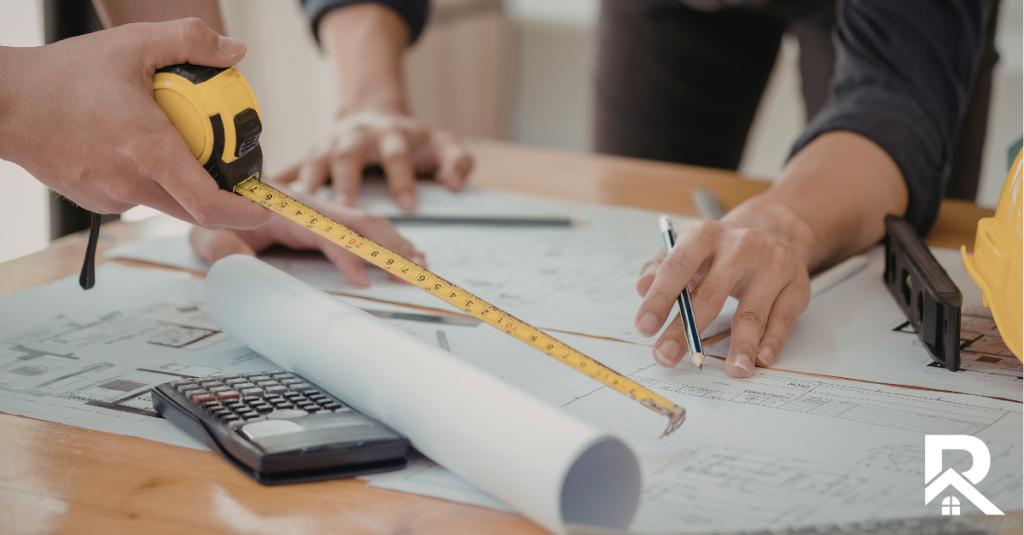
If you’re considering adding a room to a house in Massachusetts, you’re navigating one of the most regulated building environments in the country. And in 2026, the rules have only gotten stricter.
Here’s what catches most homeowners off guard:
Zoning laws vary dramatically by town.
What’s allowed in Wellesley might be prohibited in Newton. Some municipalities have strict setback requirements that limit how close your addition can be to property lines.
Others have height restrictions that affect adding a second story to a house. And if you’re in a historic district? Expect additional layers of approval.
Environmental impact fees are now standard.
Massachusetts has implemented new stormwater management requirements and environmental impact assessments for additions over certain square footage thresholds.
These aren’t just bureaucratic checkboxes; these codes can add thousands to your home addition budget if not properly planned from the start.
ADU requirements have expanded.
If you’re planning an in-law suite or accessory dwelling unit (ADU), Massachusetts has specific regulations around size, entrance requirements, and parking that changed significantly in recent years.
Many towns have adopted new ADU ordinances, but each has its own interpretation of state guidelines.
Title 5 septic considerations.
For homes not connected to municipal sewer, any addition that adds bedrooms or significantly increases wastewater flow may trigger septic system upgrades—a surprise expense that can derail an entire project if discovered late.
All of this illustrates why your first step in planning a home addition should be what’s called a feasibility audit.
What Is a Feasibility Audit? (And How Does It Save Homeowners Time and Money?)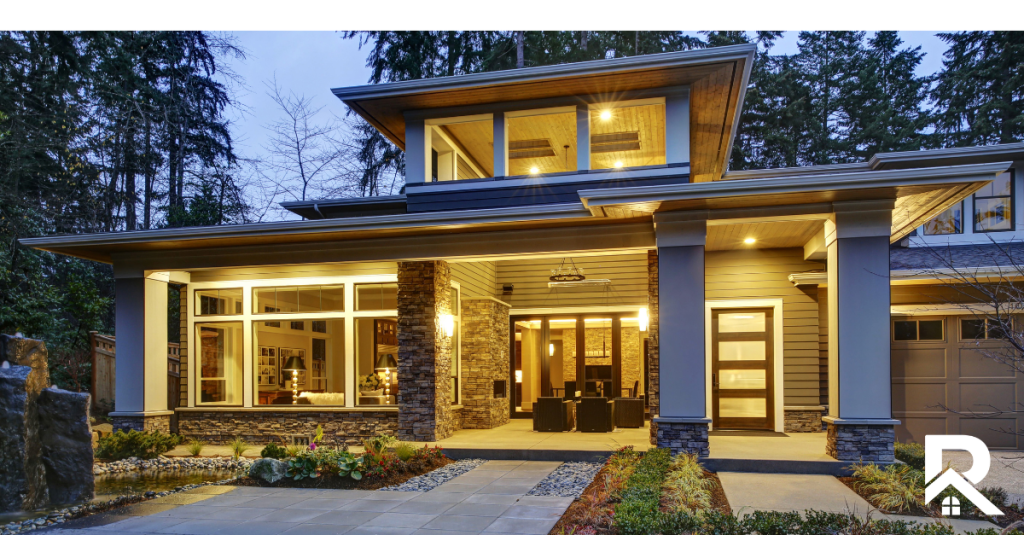
A feasibility audit is a comprehensive assessment of what’s actually possible on your property. This is the step you need to take before you fall in love with a design that can’t be built.
A feasibility audit answers critical questions:
- What does local zoning allow on your property?
- Are there wetland restrictions or conservation concerns?
- What’s the maximum footprint or height for your addition?
- Will you need variances or special permits?
- What environmental impact fees apply?
- Are there Title 5 septic concerns?
- What’s the realistic budget range once all regulatory costs are included?
The feasibility audit saves you from the heartbreak of designing a dream addition only to discover it violates setback requirements. It also prevents budget shock when unexpected permitting fees emerge. And it gives you realistic expectations from day one.
At Robert Way Construction, we handle this complexity for you. As a locally-owned firm with 30+ years of experience in Massachusetts communities, we know the regulatory landscape inside and out.
Think of us as your “Red Tape Navigator.” We manage the bureaucratic stuff for clients so they can focus on the fun and exciting parts of transforming their homes.
The Step-by-Step Home Addition Process
Once a feasibility audit confirms what’s possible on your property, here’s how a project typically unfolds:
Step 1: Define Your Goals and Priorities
Start by getting crystal clear on why you’re expanding your home. What’s your “why” for the project? Are you:
- Creating space for multigenerational living?
- Adding a first-floor master suite for aging in place?
- Building a home office for remote work?
- Expanding your kitchen for a family that loves to cook and entertain?
- Adding a second story for growing children?
Your “why” shapes everything—from the addition’s location to the home addition plans your contractor creates. It also helps you make tradeoffs when budget or zoning realities require adjustments.
Step 2: Establish Your Home Addition Budget
Home addition costs vary enormously based on complexity, finishes, and scope. You will need to understand the total project cost and account for things like…
- Design and architectural fees
- Permitting and impact fees
- Site preparation and foundation work
- HVAC, electrical, and plumbing extensions
- Finishes and fixtures
- Project management and labor
- Contingency (typically 10-15% for unexpected issues)
A good design-build firm will help you understand these costs upfront and design to your budget.
Step 3: Explore Financing Options
Most homeowners choose one of these paths:
Cash from savings. Many prefer this approach to avoid debt. If you’ve been planning this addition for a while, you may have already set aside funds.
Home equity line of credit (HELOC). With substantial equity in your home, a HELOC offers flexible access to funds with relatively low interest rates. You borrow only what you need as the project progresses.
Home equity loan. Similar to a HELOC but with a fixed interest rate and lump sum. Good for homeowners who prefer predictable monthly payments.
Cash-out refinance. If rates are favorable, refinancing your mortgage and pulling out cash for the addition can make sense—though this option has been less attractive with recent rate increases.
Construction-to-permanent loan. For very large additions or whole-home remodels, some homeowners use specialized construction loans that convert to permanent financing.
Your financial advisor can help determine the best approach for your situation. At RWC, we’re happy to work with your financial planner to ensure the project’s budget and timeline align with your funding strategy.
Step 4: Design Around What Matters Most
This is where planning a home addition gets exciting. You’ll work directly with experienced professionals to create a plan tailored to your lifestyle.
In a true design-build process, you’re not just getting technical drawings—you’re collaborating with people who understand how you live. For example…
- Do you work from home and need acoustic separation from an active family?
- Do you entertain often?
- Everyone talks about an open floor plan, but is that actually right for you?
- Are you planning to house aging parents who need accessible design features?
The best additions don’t just add square footage. They solve big problems and improve your lifestyle!
Step 5: Navigate Permitting and Approvals
Here’s where most homeowners feel the process slowing down and where having a “Red Tape Navigator” really comes in handy.
We handle:
- Zoning applications and variances
- Building permit applications with detailed plans and specs
- Conservation Commission approvals (for properties near wetlands)
- Board of Health approvals (for septic-related work)
- Historical Commission reviews (if applicable)
- Engineering certifications (structural, civil, environmental)
Every town in Massachusetts has its own quirks. We know which building inspectors prefer what level of detail. We understand how to present to local boards. We have relationships that help move applications forward.
You shouldn’t have to take time off work to attend multiple town hall meetings or chase down signatures. That’s our job.
Step 6: Pre-Construction Planning
Once permits are secured, detailed pre-planning is essential. This includes:
- Finalizing material selections
- Confirming project timeline
- Establishing communication protocols
- Setting up the site for construction
- Coordinating with utility companies if services need upgrading
This phase sets the stage for a smooth construction experience with minimal surprises.
Step 7: Construction and Communication
During construction, you need a team that respects your time, your home, and your daily routine.
At RWC, we pride ourselves on clear, consistent communication throughout the entire process. You’ll know what’s happening each week, when key milestones are coming, and how to reach us if questions arise.
We also understand that you’re living in your home during construction. We take measures to minimize disruption, protecting finished areas, maintaining clean work zones, and being respectful of your family’s schedule.
Step 8: Final Inspections and Completion
As construction wraps up, final inspections ensure everything meets code. We handle all inspection scheduling and any punch-list items that emerge.
Then comes the best part: stepping into a space that feels completely your own, beautifully built and thoughtfully designed around your life.
Common Questions About Home Additions
Is it easier to build an addition up or out?
Generally, building out (horizontal expansion) is less expensive than building up (adding a second story). A second story requires significant structural reinforcement of the existing home, potential roof removal and rebuilding, and more complex logistics.
However, if your property has limited yard space or zoning restrictions on lot coverage, adding a second story to a house might be your only option. The feasibility audit clarifies which approach makes sense for your specific property.
How much does an addition add to home value?
This is one of the most common questions we hear, and the answer depends on several factors:
- Type of addition. Kitchens and bathrooms typically return 60-80% of investment in resale value. Primary suites and home offices also add strong value in today’s market.
- Quality of construction. High-quality craftsmanship and materials command better returns than budget-focused additions.
- Market dynamics. In desirable Massachusetts communities where housing supply is tight, well-executed additions can return 80-100% or even exceed costs in strong markets.
However, the most important question isn’t “Will this addition increase my home’s value?” but rather “Will this addition increase my quality of life?” If you’re planning to stay in your home long-term—which most of our clients are—the deepest value of an addition lies in its daily enjoyment.
How long does the home addition process take?
From initial consultation to move-in, most home addition projects in Massachusetts take 6-12 months:
- Feasibility assessment and design: 4-8 weeks
- Permitting and approvals: 6-12 weeks (sometimes longer depending on the town)
- Construction: 3-6 months for most additions
More complex projects like adding a second story or building an ADU (Additional Dwelling Unit) with separate systems can extend to 12-18 months total.
Why Home Extensions Require an Experienced Design-Build Partner

Planning a home addition isn’t like renovating a bathroom or updating a kitchen. The stakes are higher. The complexity is greater. The regulatory requirements are more stringent.
This is why so many affluent Massachusetts homeowners choose a design-build approach with an experienced, local firm rather than attempting to coordinate architects, engineers, and contractors separately.
Here’s what you gain with an integrated design-build process:
Single point of accountability. You have one team responsible for design, permitting, and construction. There’s no finger-pointing between an architect and builder, for example, if issues come up.
Streamlined communication. Instead of playing telephone between multiple parties, you work directly with one team that handles everything.
Design-to-budget alignment. Because the builders are involved from day one, designs are realistic and achievable within your budget.
Faster timelines. Integrated teams move more efficiently than fragmented ones.
Local expertise. A firm with deep roots in Massachusetts communities understands nuances like local regulations and building practices for our climate.
At Robert Way Construction, we’ve been helping Massachusetts homeowners with room additions, home expansions, and whole-home transformations for over 30 years, and our reputation is built on craftsmanship, communication, and integrity. We treat every project we’re entrusted with as if it were our own home.
Here’s How to Start Planning Your Home Addition.
If you’re feeling stuck in a home that no longer works for the life you want to live, a thoughtfully planned addition might be exactly what you need.
At RWC, we partner with homeowners to create spaces that transform how they live. From the initial feasibility audit through the final walkthrough, we’re with you every step of the way, handling the details so you can focus on the dream.
Schedule a call with our team to discuss your goals, explore what’s possible on your property, and get answers to your questions. There’s no obligation, just an honest conversation about how to make your home work for your family. You deserve to come home to a space that feels like it was built just for you.