How Long Does a Kitchen Remodel Take in 2026? The Answer May Surprise You
You’ve been thinking about it for years. The cabinets are worn. The layout doesn’t flow. The island is too small for the way you cook and entertain now. Or maybe your kitchen no longer supports the way you live. It might be time for a remodel.
Then the big questions hit. Will we have to live in a construction zone for months on end? Will we be forced to pay for takeout for the foreseeable future? And the biggest one
How long does a kitchen remodel even take?
Construction itself may only take 8 weeks, but the full process often spans 4–8 months. That’s because demolition and carpentry are just one phase of a much larger journey that includes design, selections, ordering materials, and navigating municipal permits.
A kitchen remodel is no small undertaking, and you deserve an honest look at potential timelines before you commit.
The Big Picture: What’s the Real Kitchen Renovation Timeline?
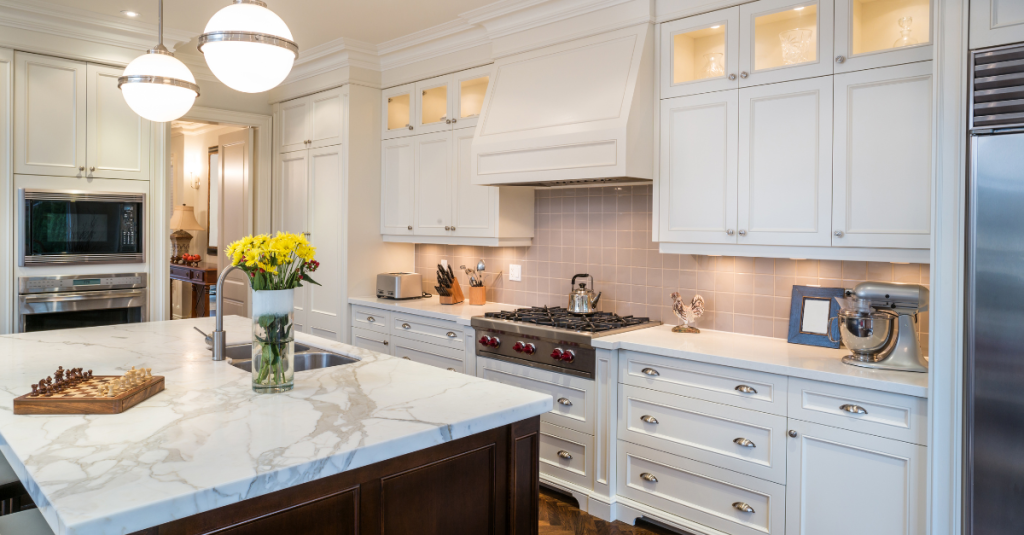
A kitchen remodel is more than the weeks you see construction happening. It’s a layered process made up of distinct phases, and each one plays a role in shaping the overall timeline.
Because every home, scope of work, and municipality is different, timelines can vary. But understanding the full sequence upfront helps you move forward with realistic expectations.
Here’s a realistic breakdown for Massachusetts homeowners in 2026.
Phase 1: Planning & Design
When remodeling a kitchen or undertaking any significant renovation, what comes first? Planning. It should always be planning.
Thoughtful, upfront design work creates clarity around layout, scope, budget, and materials before construction ever begins. That preparation is what keeps the later phases running smoothly, minimizes surprises, and protects your timeline from avoidable delays.
The planning phase brings alignment around your goals, your investment, and what’s realistically possible within your home.
Key components typically include:
- An initial consultation to understand how you live, cook, and entertain
- Layout development that improves flow and functionality
- Budget alignment to ensure scope and investment are in sync
- Final construction drawings that prepare the project for permitting and construction
Behind the scenes, this phase may also include feasibility reviews, appliance selection, cabinet design, and coordination around technical or zoning considerations.
Planning timelines can vary depending on the complexity of your project. A straightforward cosmetic update may move through design more quickly, while a full reconfiguration involving structural changes, custom cabinetry, or detailed finish selections naturally requires more time and coordination.
Phase 2: Permits & Approvals
Here’s where timelines have changed dramatically over the years, and when frustration can start to creep in. You may be wondering if you even need a permit to remodel a kitchen.
The answer is yes, especially if you’re planning major changes like moving plumbing, updating electrical systems, altering structural aspects, adding gas lines, or upgrading ventilation.
Sometimes you may even need multiple kitchen remodel permits.
Unfortunately, municipal department staffing shortages, stricter energy codes, and expanded documentation requirements have, in many places, created a backlog. Meaning, your kitchen remodel timeline is often dictated by your town, not your builder.
Permits and approvals can add anywhere from 4 to 8 weeks based on the complexity of your project.
This is why working with an experienced design-build firm matters. Experienced pros know how to smoothly manage submissions, revisions, inspector coordination, and scheduling so you’re not stuck chasing approvals.
Phase 3: Material & Smart Appliance Lead Times (4-12 Weeks)
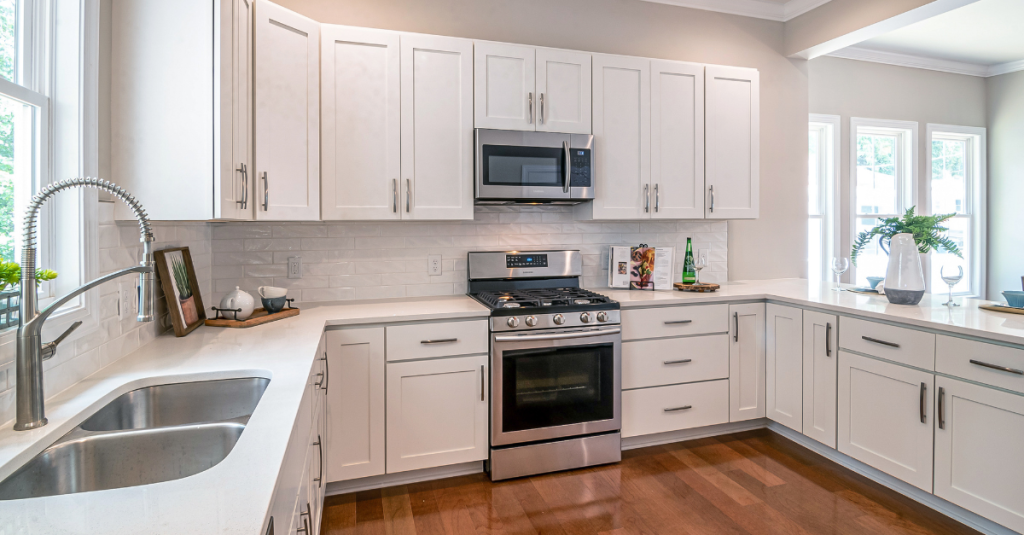
Another 2026 timeline curveball? Smart appliances.
Today’s kitchens include far more technology than they did even a decade ago. Appliances now rely on complex electronics, sensors, and microchips to power features like:
- Wi-Fi-enabled ovens
- Integrated refrigeration systems
- Smart dishwashers
- Touch-screen ranges
- Built-in espresso systems
Because these appliances require specialized components, firmware integration, and even custom paneling or ventilation coordination, they often come with longer manufacturing and delivery timelines.
For premium built-ins or highly specialized custom models, lead times can be significantly longer (sometimes several months), depending on the manufacturer and availability.
As a result, your custom kitchen design and installation timeline may rely largely on whether your appliances arrive on schedule. That’s why we recommend selecting and ordering appliances during the planning phase.
Phase 4: Construction
This is the phase most homeowners picture when they ask, “How long does a kitchen remodel take?” Once planning is complete, permits are approved, and materials have arrived, construction can finally begin.
For a full-scale remodel involving layout changes, the construction schedule typically looks something like this:
Week 1: Demo & Framing
Week 2: Rough plumbing, electrical, HVAC, and associated rough inspections
Week 3: Insulation, blueboard & plaster
Week 4: Cabinet installation, finish trim, counter top template
Week 5: Counter top & backsplash installation
Week 6: Plumbing & electrical finish
Week 7: Flooring & paint
Week 8: Punch list items & final inspection
Assuming no major surprises, most full kitchen remodeling projects fall into that 8 week construction window.
What About a Partial Kitchen Remodel?
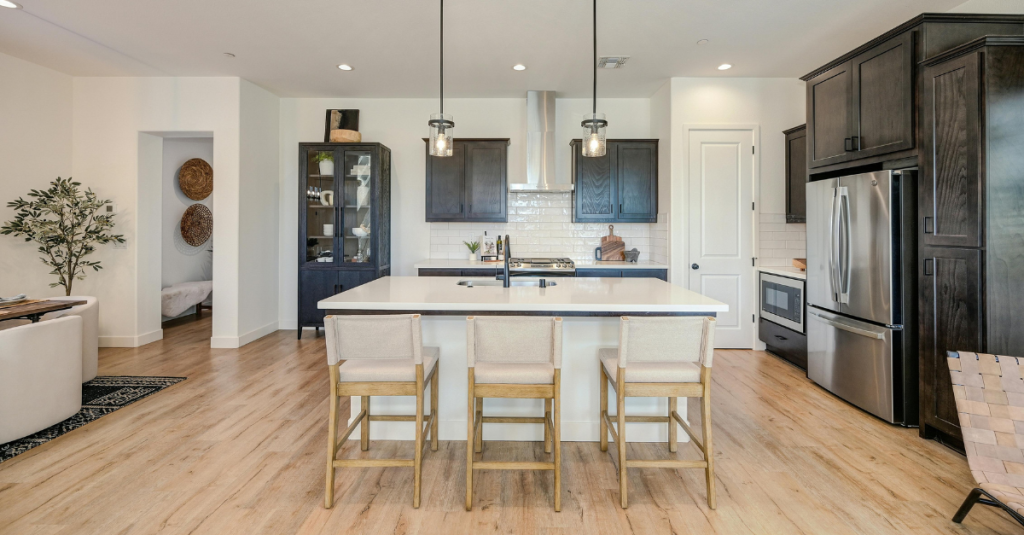
Maybe you don’t need a full remodel. How much time can you save if you keep the layout the same and focus on details like cabinet refacing or replacement, new countertops, flooring, and fixtures?
Construction for a smaller kitchen remodel may take roughly 3-5 weeks, though the full project timeline can still span several months once planning, design decisions, and permits are considered.
Even cosmetic remodels can require permits if the work involves electrical, plumbing, gas lines, or ventilation updates. Because of this, it’s still important to plan carefully and understand your local municipality’s requirements before construction begins.
Living Through a Kitchen Remodel
Now let’s talk about one of the most frustrating aspects of remodeling, living without a kitchen. With some planning and preparation, you’ll be able to weather this phase with as little chaos as possible.
Before Demo Week: Prep Like a Pro
1. Set up a temporary kitchen station.
Choose a low-traffic area for a folding table and use labeled plastic bins to organize pantry items and cooking essentials.
2. Plan refrigeration.
If possible, move your existing refrigerator to the temporary space, or consider renting a compact unit to keep food fresh.
3. Gather a few versatile appliances.
An electric kettle, air fryer, slow cooker, or portable induction burner can handle most simple meals.
4. Create a dedicated coffee station (trust us).
Keeping your morning routine intact can make the renovation feel far less disruptive.
5. Consider stocking up on disposable plates and cutlery.
It makes cleanup much easier when your sink or dishwasher may be temporarily unavailable.
6. Empty all cabinets before demo day.
Clearing everything out ahead of time keeps demolition day smooth and protects your belongings.
During Construction
1. Keep meals simple.
Plan simple, no-cook meals (salads, sandwiches) or grill outdoors. Slow cookers are also great for hot, easy meals.
2. Use alternate sinks when needed.
Bathroom sinks can work for rinsing small items or cleaning essentials while your kitchen plumbing is offline.
3. Give yourself some grace.
Remember to take deep breaths and remind yourself that this is just a temporary phase. In a few weeks, your family will be enjoying the kitchen of your dreams, and this phase will be a distant memory.
Don’t Stress Just Yet
A kitchen remodel is so much more than tile samples and paint swatches. It’s also a structural review, energy code compliance, permit navigation, inspection scheduling, vendor coordination, and smart appliance logistics.
And when looking at all the steps, a new kitchen can seem like an impossible endeavor. This is why it’s crucial to partner with experienced pros to help you navigate the process.
With one integrated team:
- Your design aligns with your budget.
- Permits are anticipated early.
- Appliances are ordered strategically.
- Inspections are scheduled proactively.
- Construction flows more smoothly.
Not to mention, you’ll have a dedicated team you can trust to answer all your questions and steer you in the right direction every step of the way.
If your kitchen is no longer meeting your needs, either functionally or aesthetically, a remodel might be just what your family needs.
At RWC, we’re here to guide you through the journey to your dream kitchen. From the initial consultation to the last tile, we’re with you every step of the way, handling the details so you can focus on your vision.
Schedule a call with our team to discuss your needs and explore the next steps towards designing a kitchen that truly works for your family.